Immunization and Medical Kits for a Tanzania Safari
Immunization and Medical Kits for a Tanzania Safari: What You Really Need
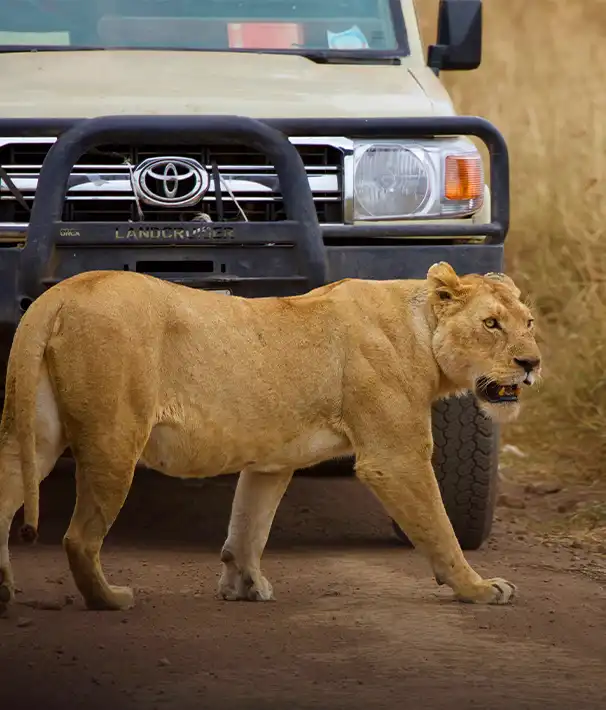
There’s nothing quite like a Tanzania safari—the roar of lions at dusk, elephants parading across the plains, and that sense of untouched wilderness. But before you get swept up in safari dreams, there’s one not-so-glamorous thing to tick off your list: health prep.
Yep, vaccinations and a smartly packed medical kit can make all the difference between a smooth safari and a trip derailed by illness. Whether you’re headed to the Serengeti, Ngorongoro Crater, or the Selous, this guide covers the essential immunizations and health supplies you need to enjoy your adventure worry-free.
Why You Need to Prepare for Health on Safari
You’re heading into remote areas, where access to medical care can be hours away by road—or even air. Basic illnesses or untreated bites can quickly become big problems without the right preparation. Your best defense? Vaccines, prevention, and a solid travel medical kit.
Required and Recommended Vaccinations for Tanzania
Here’s the deal: some vaccines are mandatory, while others are strongly recommended based on travel risks.
1. Yellow Fever
Required? Yes, only if you’re arriving from a country with risk of yellow fever transmission (e.g. Kenya, Uganda, Ethiopia, Brazil).
Proof Needed? Yes, a yellow fever certificate if applicable.
Validity: Lifetime (one shot)
2. Hepatitis A
Recommended for all travelers
Spread through contaminated food and water
Often given in a 2-dose series (6 months apart)
3. Typhoid
Recommended, especially if you’ll eat street food or travel to rural areas
Available as a shot (lasts 2–3 years) or oral capsules
4. Tetanus-Diphtheria-Pertussis (Tdap)
Make sure your booster is up-to-date (every 10 years)
Useful for cuts and injuries in the bush
5. Hepatitis B
Recommended if you’ll have medical procedures, dental care, or sexual contact with locals
6. Rabies
Recommended if you plan extended stays, go off-grid, or work with animals
Not essential for short, guided safaris, but still smart if you’re cautious
7. Malaria Prevention
No vaccine, but malaria is a risk in Tanzania year-round
Take preventive meds (see next section)
Malaria Prevention: Don’t Skip This
Tanzania is a high-risk malaria country, including safari zones and Zanzibar. Even upscale lodges can’t fully prevent mosquito exposure.
How to protect yourself:
Antimalarial meds like Malarone (atovaquone/proguanil), doxycycline, or mefloquine
Start before your trip and continue after you return (varies by medication)
Insect repellent with 20–30% DEET
Wear long sleeves at dusk and dawn
Sleep under a mosquito net if your lodge doesn’t have sealed windows or A/C
Essential Safari Medical Kit Checklist
You don’t need to bring a full pharmacy, but having a well-stocked personal kit is a lifesaver—literally. Here’s what you’ll want to pack:
General Essentials:
Prescription meds (in original containers)
Antimalarial tablets
Pain relievers (ibuprofen, paracetamol)
Antihistamines (for allergies or insect bites)
Electrolyte packets (for dehydration)
Anti-diarrheal meds (like loperamide)
Rehydration salts (ORS)
For Bites and Cuts:
Antiseptic wipes or spray
Band-aids and gauze pads
Antibiotic ointment (like Neosporin)
Tweezers (for thorns or ticks)
Sun and Heat Protection:
Sunscreen (SPF 30+)
Lip balm with SPF
After-sun lotion or aloe vera gel
Cooling towel or mini fan
Bug Defense:
DEET-based repellent (25–30%)
Permethrin spray (for clothes)
Anti-itch cream or hydrocortisone
Stomach and Food-Related Issues:
Antacids (for indigestion)
Probiotics (to support gut health)
Water purification tablets or filters (if you’re unsure about water sources)
Optional but Handy:
Motion sickness tablets (for bumpy drives)
Thermometer
Small first aid guide
Medical gloves (in case you need to help someone)
Health Tips for the Bush
Here are a few simple habits that’ll keep you safer on safari:
Drink only bottled or filtered water—even at high-end lodges
Don’t brush your teeth with tap water
Wash your hands often, or carry hand sanitizer when there’s no sink in sight
Watch what you eat—stick to hot, freshly cooked foods and avoid raw salads in rural areas
Avoid swimming in freshwater lakes or rivers (risk of schistosomiasis)
Mind your feet—wear closed shoes during walks to avoid thorns, scorpions, and insects
Before You Go: Doctor Visit Checklist
Head to a travel clinic 4–6 weeks before your trip to get everything sorted.
Ask your doctor about:
Malaria meds (best option based on your medical history)
Vaccine schedule (some need multiple doses)
Altitude sickness prevention (if you’re adding Kilimanjaro to your trip)
Any updates on outbreaks or travel health alerts
Bring your vaccine record and keep a photo of it on your phone.
Top Tanzania Safari FAQ's
What is included in a Terra Safaris package?
Our packages typically include accommodations, guided game drives, park entry fees, and most meals. Detailed inclusions are provided with each itinerary.
Can I customize my safari itinerary?
Absolutely! We specialize in tailoring safaris to meet your specific interests, preferences, and travel dates.
Are safaris suitable for families with children?
Yes, we offer family-friendly safaris with age-appropriate activities, though some parks and camps may have minimum age requirements.
How safe is a Tanzania safari?
Safety is a top priority. With experienced guides and strict adherence to park rules, safaris with Terra Safaris are very safe.
What type of vehicles are used for the safaris?
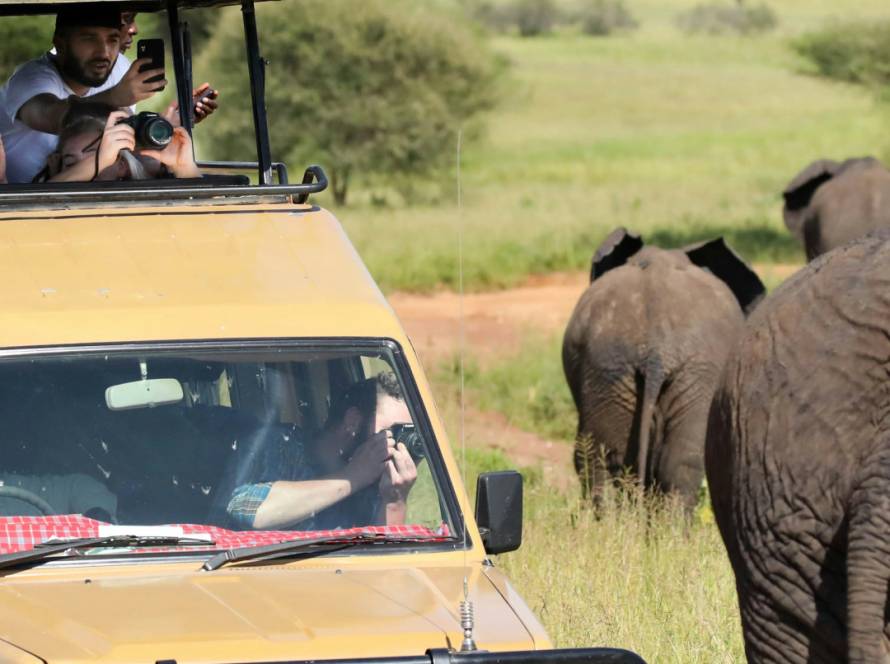
We use specially modified 4×4 safari vehicles with open rooftops to ensure excellent wildlife viewing and comfort.
Do I need travel insurance for my safari?
Yes, we highly recommend purchasing comprehensive travel insurance that covers medical emergencies, trip cancellations, and personal belongings.
What vaccinations are recommended before traveling to Tanzania?
Commonly recommended vaccinations include Yellow Fever, Hepatitis A and B, Typhoid, and Tetanus. Always consult your healthcare provider for up-to-date advice.